Calf Exercises
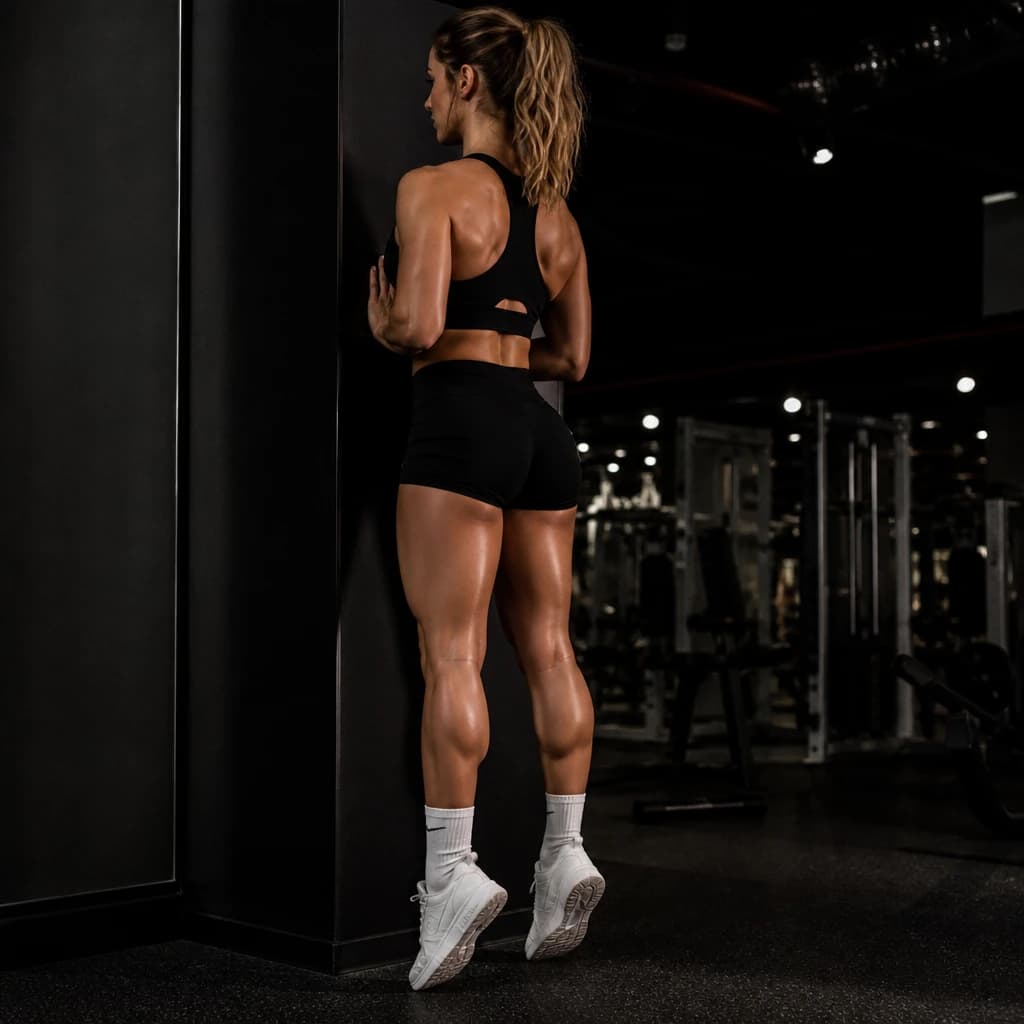
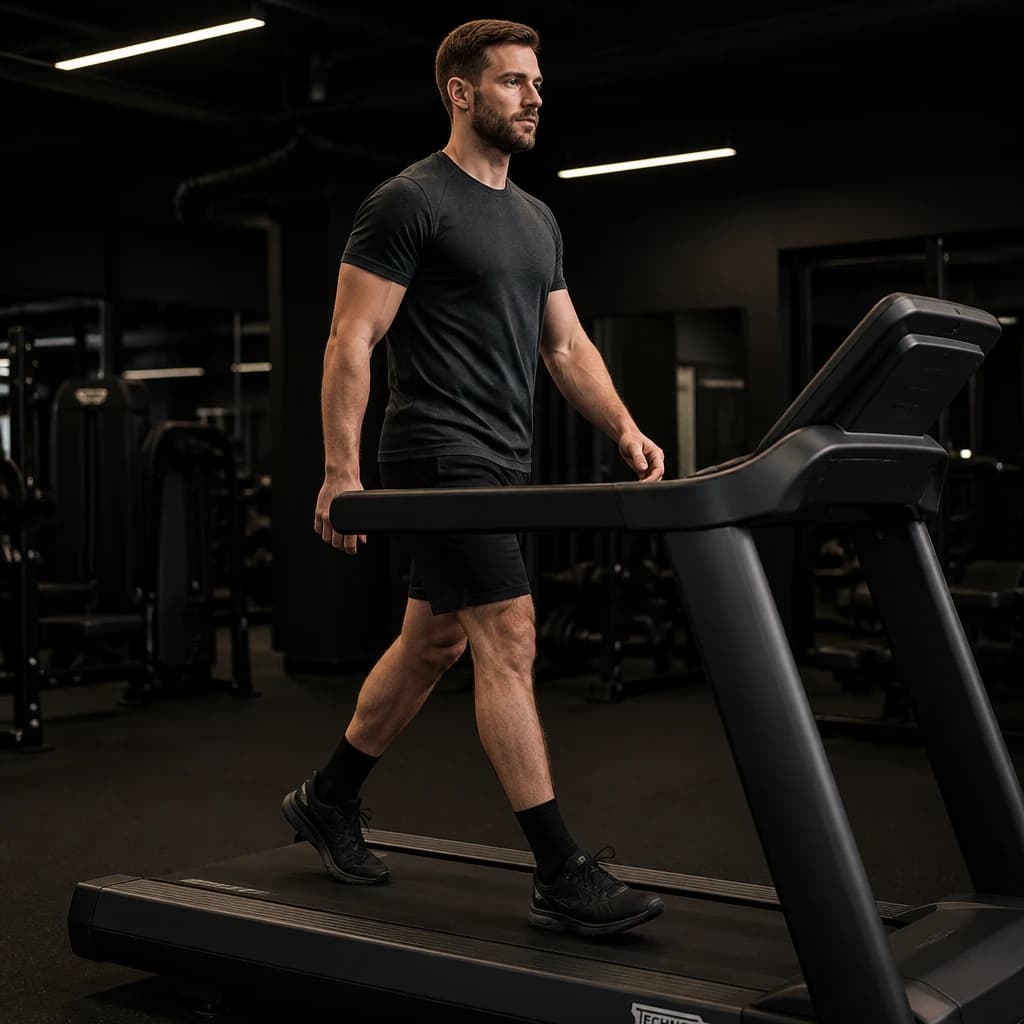
Standing and seated calf raises for the gastrocnemius and soleus, plus the walking and stair work that loads them all day.
5 exercises
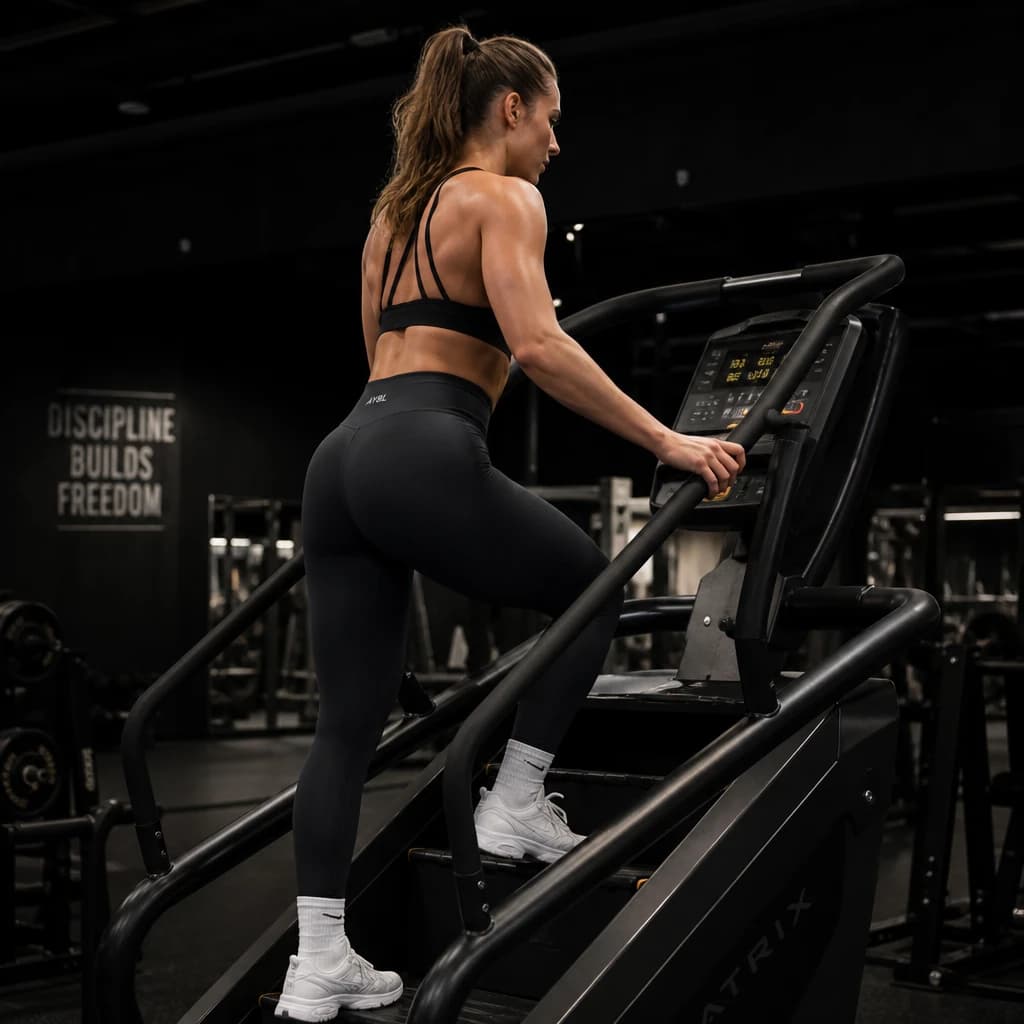
How to train your calves
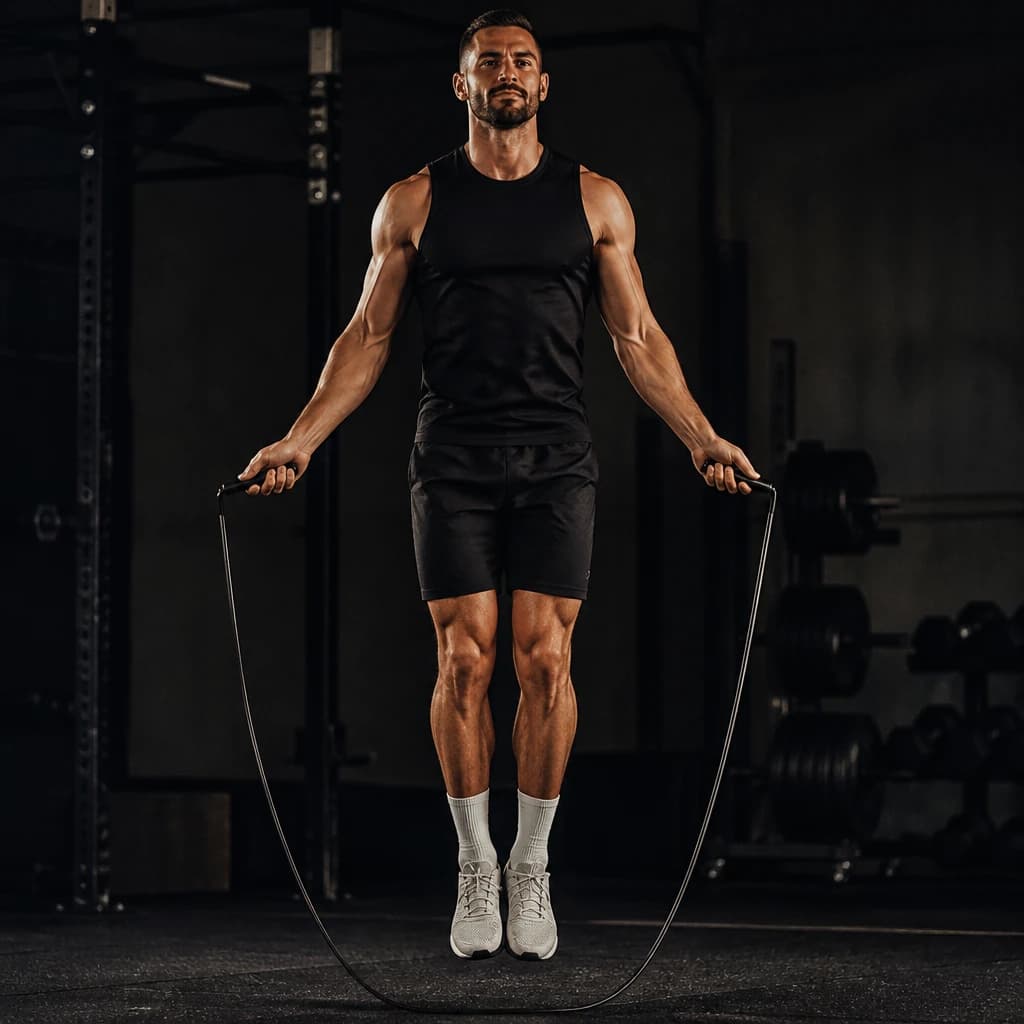
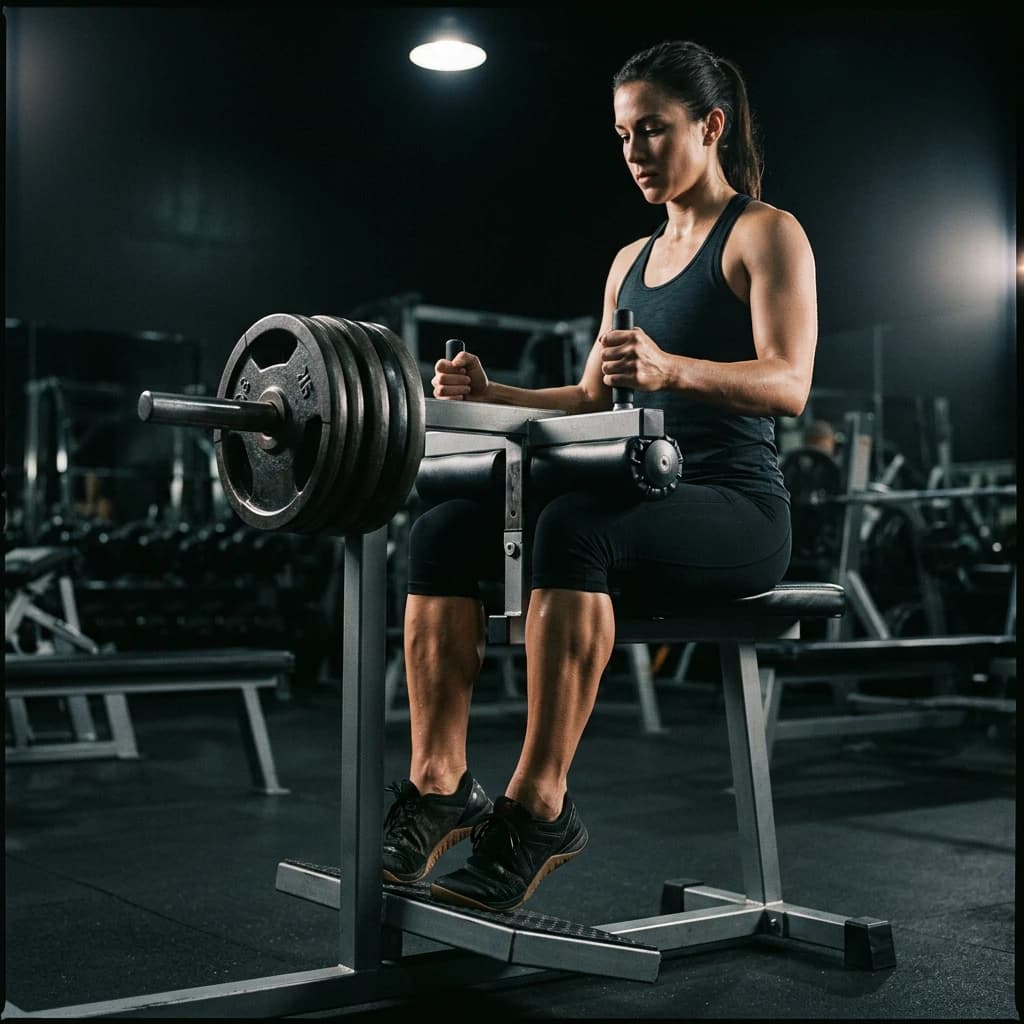
The calf is two muscles. The gastrocnemius crosses the knee, so it does most of the work when the leg is straight — standing calf raises, jumping, running. The soleus sits underneath and works with the knee bent, which is what seated calf raises train. Doing only one of the two leaves half the muscle behind, and the soleus is the bigger contributor to how thick a calf looks from the side.
Calves take a beating from walking every day, so they need full range and real load to respond. Let the heel drop until you feel a stretch, then push all the way up onto the toes and pause. Skip the bouncing, which hands the work to the tendon instead of the muscle. Twelve to twenty sets a week split between straight-leg and bent-leg variations at 8–15 reps is a reasonable target, and progress here is genuinely slow — judge it over months, not weeks.
If your gym has no seated calf machine, sit on a bench with a dumbbell across your knees, or do standing raises with the knees slightly bent and held there. Working one leg at a time also solves the loading problem when the machine's stack is too light for you.